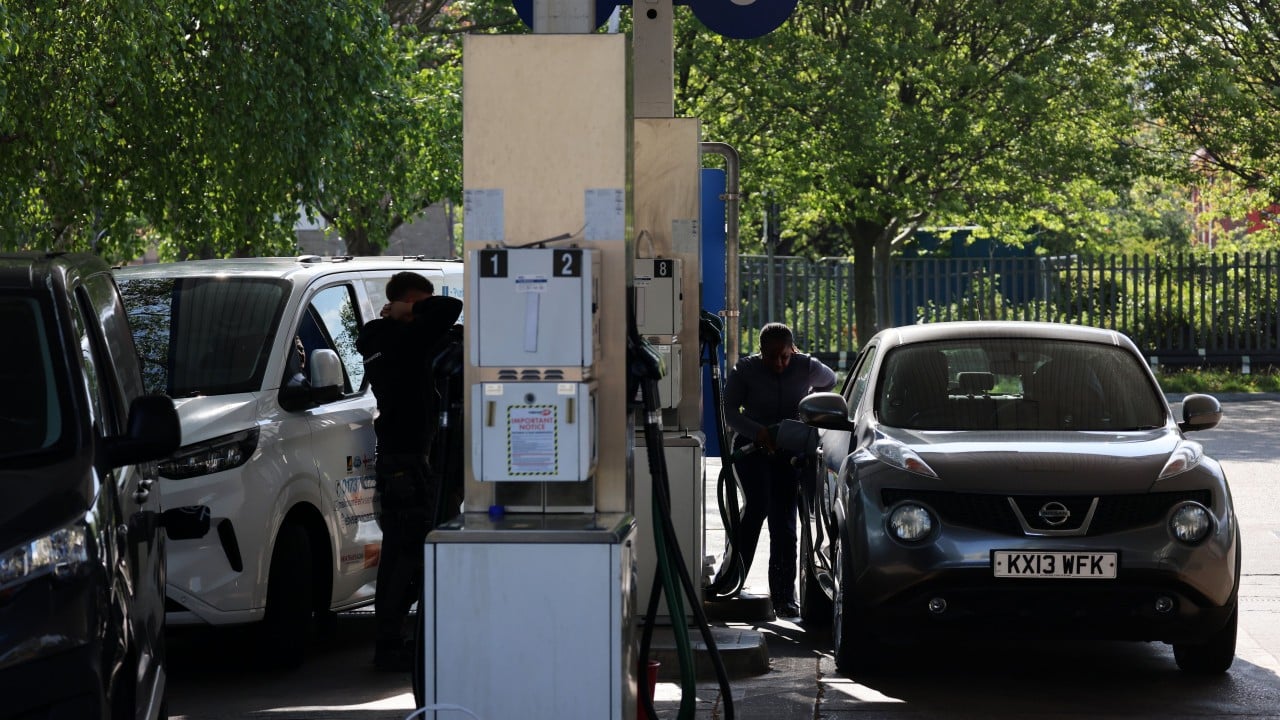
You can feel the pinch at the petrol pump long before official government numbers cross your desk. According to the Office for National Statistics, UK consumer price inflation climbed to a 12-month high of 3.6%. That marks four straight months of creeping increases, driven primarily by heavy shocks in global energy markets and sudden shifts in tobacco duty.
If you thought the cost-of-living crisis was safely in the rearview mirror, these figures prove otherwise. Let's break down what is actually happening behind the numbers, why certain sectors are spiking while others drop, and what this means for your personal finances moving forward.
The Drivers Behind the 3.6% Peak
The headline acceleration from 3.5% in September isn't a random accident. It stems from very specific pressure points across transport and retail goods.
Transport costs proved to be the heaviest anchor dragging the index upward. Motor fuel inflation hit its highest point in years, with petrol jumping to an average of 174.7 pence per litre and diesel hitting an unprecedented 199.5 pence per litre. Geopolitical instability and ongoing conflicts in the Middle East continue to ripple straight into crude oil markets, making every commute noticeably more expensive.
On top of fuel, alcohol and tobacco numbers surged. Tobacco duty changes took effect at the start of October, adding immediate weight to checkout prices. When you combine higher excise duties with climbing global energy inputs, the composite picture is one of persistent cost pressures that refuse to fade quietly.
The Silver Lining You Aren't Hearing About
Every economic storm has its sheltered corners. While fuel and tobacco grabbed the headlines, food and non-alcoholic drink inflation slowed dramatically to just 0.8%.
In fact, basic food price inflation eased to a mere 0.2%. Chocolate prices even dipped by nearly 3% due to falling cocoa costs and aggressive retail discounting. If you are shopping for groceries, you are likely experiencing a slight, welcome reprieve compared to the severe supermarket shocks of previous years.
Furthermore, core consumer price inflation—which strips out volatile energy, food, alcohol, and tobacco items—held relatively steady at 2.8%. Services inflation also remained anchored at 3.7%. That stability tells economists that widespread, runaway second-round wage-price spirals aren't dominating the economy just yet.
What This Means for Interest Rates and Your Money
The Bank of England faces an intensely complicated balancing act. Having recently adjusted interest rates to 4%, central bank policymakers must weigh whether this inflation uptick demands further monetary tightening or if cooling core metrics give them room to pause.
At the same time, recent earnings data shows regular wage growth easing back to 3.5%. When wage growth slips below the headline inflation rate of 3.6%, your purchasing power shrinks. Real incomes take a direct hit, meaning the average household budget is once again running to catch up with basic expenses.
Worse still, upcoming regulatory changes threaten to compound the pressure. Energy regulator Ofgem introduced a 4% price cap increase, and early forecasts suggest household energy bills could face steeper climbs.
Practical Steps to Protect Your Finances Now
Waiting for macro-level economic policies to fix your household ledger is a losing game. Take control of what you can manage today:
- Audit your transit habits: With fuel at multi-year highs, carpooling, combining errands into single trips, or utilizing public transit where feasible can shave meaningful cash off your monthly expenses.
- Lock in utility tariffs: Review your current energy contracts and evaluate whether fixed-rate tariffs offer better insulation against projected winter price cap hikes.
- Redirect savings yields: Ensure your cash savings are sitting in accounts that actually beat or match the current inflation rate, rather than losing value in traditional low-interest current accounts.
Inflation cycles will continue to fluctuate, but keeping a close eye on your discretionary spending remains your strongest defense against unpredictable global shocks.