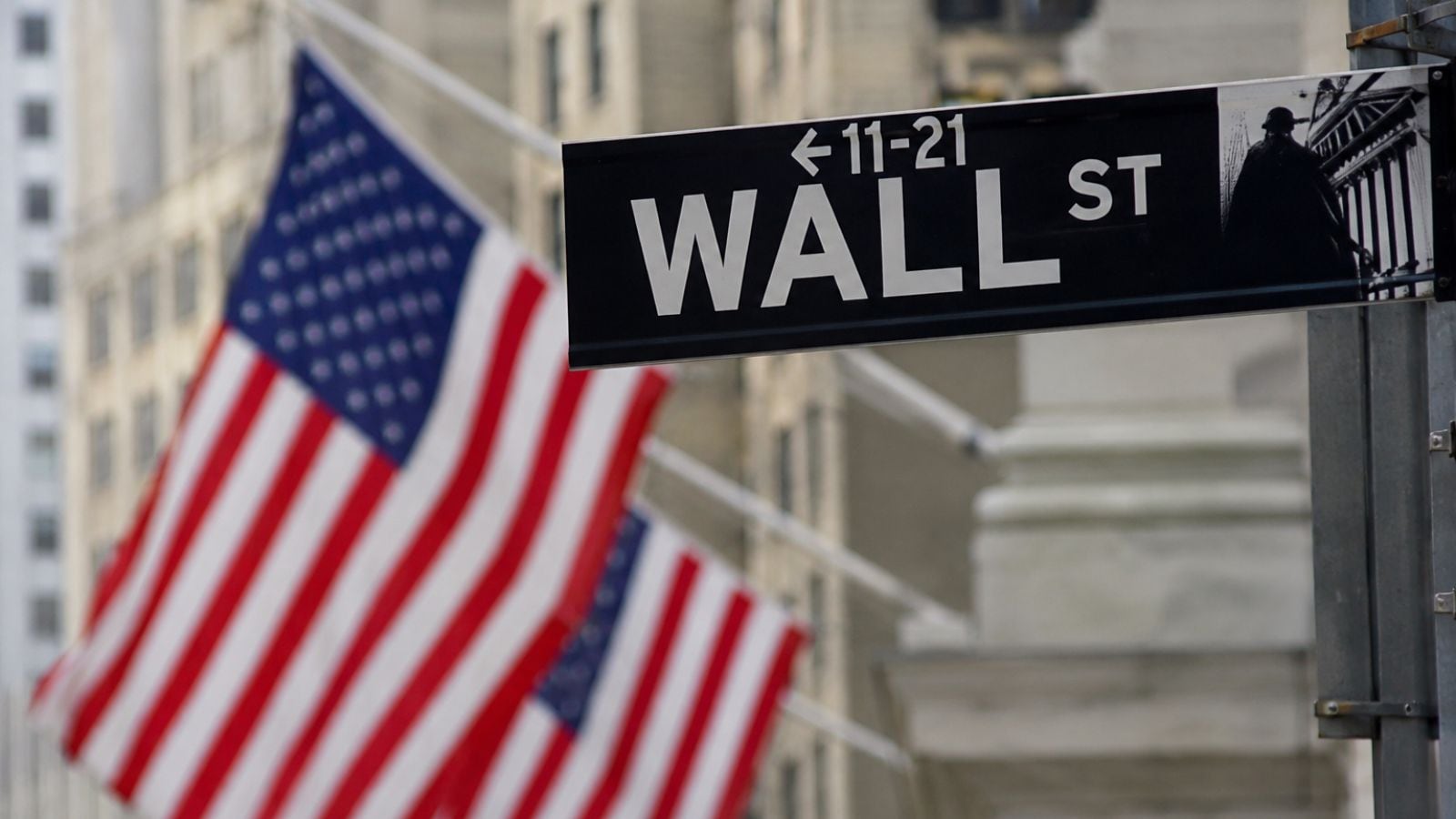
Power, policy, and artificial intelligence collided in New York City as the annual DealBook Summit brought together the most consequential decision-makers on the planet. If you wanted a raw look at where corporate capital and government authority intersect right now, this was the room to watch.
Andrew Ross Sorkin and The New York Times team didn't host a polite networking event. They put high-stakes figures under a microscope. From Silicon Valley heavyweights to international political leaders, the discussions cut straight through corporate PR to expose the real friction points shaping the global economy.
The Artificial Intelligence Reality Check
Artificial intelligence dominated the airwaves, but the tone shifted away from starry-eyed optimism toward hard operational limits. OpenAI leaders Sam Altman and Greg Brockman took the mainstage alongside figures like Microsoft CEO Satya Nadella, facing tough questions about energy consumption, infrastructure bottlenecks, and the actual timeline toward artificial general intelligence.
The conversation proved that building frontier models is only half the battle. The real bottleneck sits in power grids, massive capital expenditures, and geopolitical friction over semiconductor supply chains. When tech founders share a stage with global leaders, the debate stops being about cool software features. It turns into a high-stakes chess match over national security and energy independence.
Where Politics Meets Corporate Strategy
You couldn't ignore the heavy political presence at this year's summit. Vice President JD Vance and international figures like Canadian Prime Minister Mark Carney brought macroeconomic realities directly to the corporate elite.
Investors are trying to price in a volatile regulatory future. Antitrust pressures, shifting trade policies, and national security mandates mean companies can no longer operate as borderless entities. Executives who ignore political headwinds do so at their own peril. The summit made it painfully clear that geopolitical strategy is now business strategy.
Health, Wealth, and the Modern American Dream
Beyond tech monopolies and government policy, panels tackled the deeper cultural anxiety around wealth distribution and public health. Discussions moderated by prominent journalists dug into why prosperity feels entirely out of reach for large swaths of the population, even as stock markets break records.
Figures from diverse sectors—ranging from public health advocates to entrepreneurs like Hailey Bieber and business leaders across retail and finance—debated what modern consumer culture demands. People are tired of empty branding. They want utility, transparency, and economic stability.
What Leaders Need to Take Away
If you are running a business or managing capital right now, take notes on what happened at Lincoln Center's Appel Room.
First, stop treating AI as a side project or a marketing buzzword. It requires structural integration, massive resource planning, and a clear-eyed view of regulatory compliance. Second, factor geopolitical risk into every single forecast you build for the next five years. Borders matter again.
Keep your balance sheets flexible, watch the energy markets closely, and stop listening to tech hype that ignores physical constraints. The environment is shifting too fast for comfortable assumptions.